
Introduction: The Rise of AI-Powered Devices
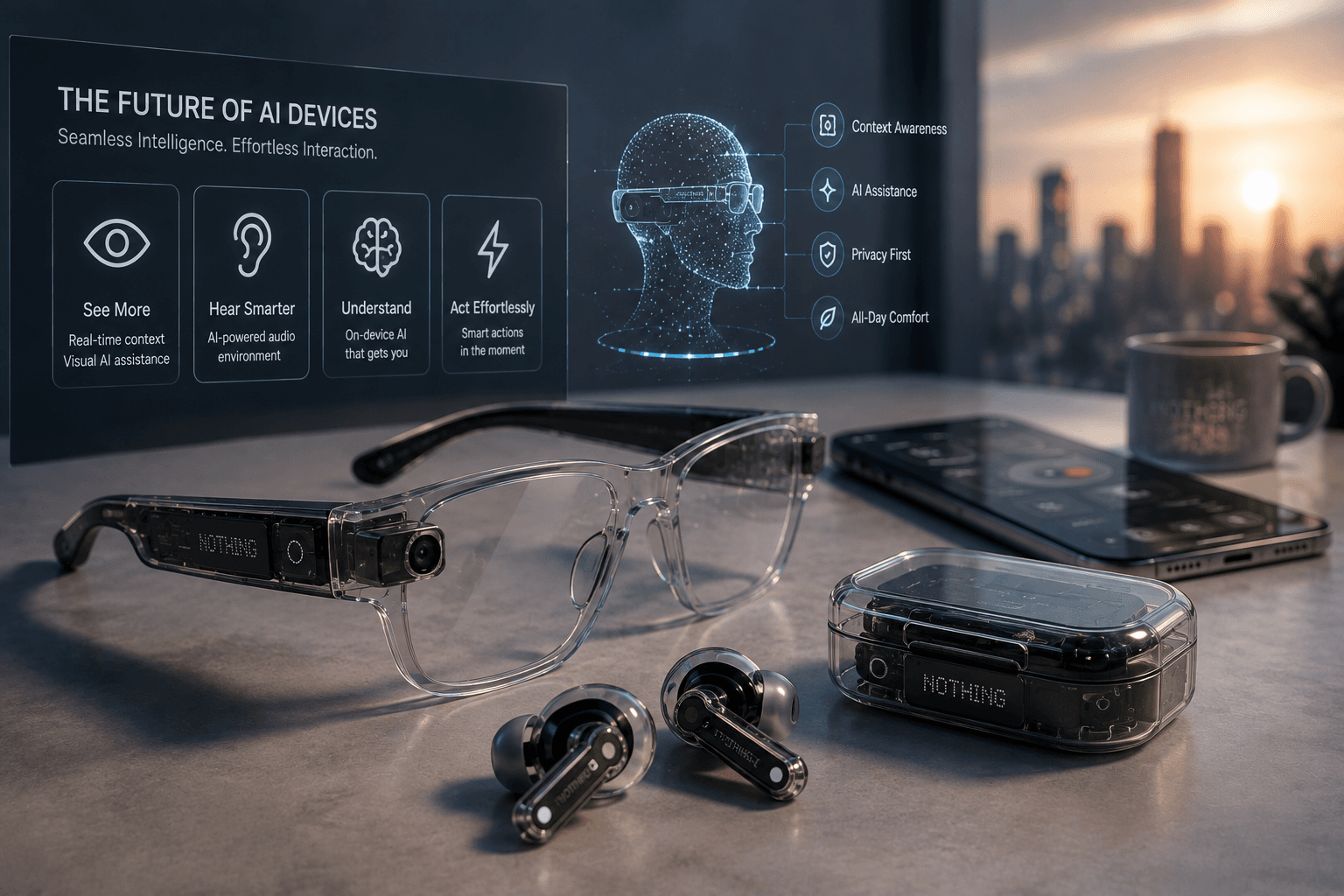
The technological landscape is rapidly transforming, with artificial intelligence (AI) at its core. We're witnessing an unprecedented surge in the development and adoption of AI-powered devices, moving beyond our smartphones and computers into the very fabric of our daily lives. This burgeoning market is fueled by an increasing consumer appetite for smart, personalized experiences that simplify tasks and enhance our interactions with the world. From intelligent home assistants to sophisticated wearables, the demand for devices that can learn, adapt, and anticipate our needs is undeniable. In this dynamic environment, companies like Nothing are making bold moves, entering the AI device space with innovative products such as smart glasses and earbuds. These offerings serve as compelling case studies, providing valuable lessons as we explore the future of AI devices.
Quick Answer: The future of AI devices hinges on seamless integration, user-centric design, and robust hardware/software. Nothing's approach with smart glasses and earbuds highlights the importance of intuitive interfaces and context-aware assistance, paving the way for more personalized and efficient user experiences.
Nothing's Vision: AI-First Wearables
- Analyzing Nothing's stated goals for their AI-powered wearables.
- Focus on seamless integration and intuitive user interfaces.
- Discussing the potential for AI to enhance everyday tasks and experiences.
Nothing has positioned itself as a challenger brand, aiming to disrupt the tech industry with a focus on design and user experience. Their foray into AI-powered wearables, including smart glasses and advanced earbuds, is driven by a vision to create devices that are not just functional but also aesthetically pleasing and deeply integrated into the user's life. The company emphasizes a philosophy of 'less but better,' striving for simplicity and intuitiveness in their product design. This translates to an AI-first approach, where intelligence is embedded to enhance everyday tasks, offering proactive assistance and personalized interactions without overwhelming the user. The goal is to make technology feel more natural and less intrusive, enabling users to stay present while still leveraging the power of AI.
Hardware Considerations for AI Devices
- Power efficiency and battery life optimization.
- Miniaturization and ergonomic design challenges.
- Sensor integration: microphones, cameras, and other relevant sensors.
- Materials selection for durability and aesthetics.
Developing sophisticated AI devices, especially wearables, presents significant hardware challenges. Power efficiency is paramount; devices need to operate for extended periods without constant recharging, which requires highly optimized processors and power management systems. Miniaturization is another critical hurdle. Fitting advanced components, sensors, and batteries into small, ergonomic form factors that are comfortable to wear for long durations demands cutting-edge engineering. The integration of diverse sensors—microphones for voice commands, cameras for visual input, and potentially others like accelerometers or gyroscopes—is essential for gathering the data AI algorithms need. Furthermore, the choice of materials impacts not only the device's durability and comfort but also its aesthetic appeal, a key differentiator in the consumer electronics market. Nothing's commitment to design suggests a strong focus on these hardware aspects.
Software and AI Integration: The Brain of the Device
- On-device vs. cloud-based AI processing: tradeoffs and considerations.
- Natural Language Processing (NLP) and voice assistant integration.
- Machine learning models for personalization and adaptation.
- Data privacy and security concerns in AI device development.
The true intelligence of any AI device lies in its software and how AI is integrated. Developers must decide between on-device processing, which offers greater privacy and lower latency but is limited by hardware constraints, and cloud-based processing, which allows for more powerful computations but raises concerns about connectivity and data security. Natural Language Processing (NLP) is crucial for enabling intuitive voice interactions, allowing users to control devices and access information seamlessly. Machine learning models are the engine for personalization, enabling devices to learn user preferences and adapt their behavior over time. As AI devices collect and process vast amounts of personal data, ensuring robust data privacy and security measures is not just a technical requirement but a fundamental ethical obligation. This balance is key to building user trust.
Use Cases and Applications: Beyond the Hype
- Real-world examples of AI-powered features in smart glasses and earbuds.
- Context-aware assistance and proactive recommendations.
- Potential for AI to improve accessibility and productivity.
- Exploring niche applications for specific industries (e.g., healthcare, manufacturing).
While the concept of AI devices can sound futuristic, the practical applications are already emerging and hold immense potential. For smart glasses and earbuds, AI can power features like real-time language translation, intelligent noise cancellation that adapts to the environment, and contextual information overlays. Imagine receiving directions directly in your field of vision or having your earbuds automatically adjust audio based on your surroundings and activity. Context-aware assistance means devices can proactively offer relevant information or suggestions without explicit commands. Furthermore, AI-powered wearables can significantly improve accessibility for individuals with disabilities, offering new ways to interact with the digital and physical world. Beyond consumer applications, niche industries can benefit immensely, from surgeons receiving real-time data during operations to factory workers accessing schematics hands-free.
Product Strategy and Market Positioning
- Target audience identification and segmentation.
- Competitive analysis: understanding the existing landscape.
- Pricing strategies and value proposition development.
- Marketing and communication strategies for AI devices.
Successfully launching an AI device requires a well-defined product strategy. Identifying and segmenting the target audience is the first step, understanding who the device is for and what specific needs it addresses. A thorough competitive analysis is crucial to differentiate the product in a crowded market. This involves understanding competitor offerings, pricing, and market positioning. Developing a compelling value proposition—clearly articulating the unique benefits the AI device offers—is essential for attracting customers. Finally, effective marketing and communication strategies are needed to convey the product's capabilities and build excitement, especially for novel categories like smart glasses. Nothing's minimalist design and focus on user experience are key elements of their market positioning.
Challenges and Opportunities in AI Device Development
- Addressing ethical considerations and potential biases in AI algorithms.
- Overcoming technical hurdles in hardware and software integration.
- Navigating regulatory compliance and data privacy laws.
- Identifying emerging trends and future opportunities in the AI device market.
The path to developing and deploying AI devices is fraught with challenges but also ripe with opportunities. Ethical considerations, such as potential biases in AI algorithms and the responsible use of data, must be proactively addressed. Technical hurdles in seamlessly integrating complex hardware and sophisticated AI software continue to push the boundaries of innovation. Navigating the evolving landscape of regulatory compliance and data privacy laws, like GDPR and CCPA, is critical for market access and user trust. Despite these challenges, the opportunities are immense. Emerging trends in areas like ambient computing, edge AI, and more intuitive human-computer interaction point towards a future where intelligent devices are seamlessly woven into our lives. Companies that can effectively navigate these complexities stand to lead the next wave of technological advancement.
Conclusion: The Future is Intelligent
- Recap of key insights from Nothing's approach to AI devices.
- Emphasis on the importance of user-centric design and ethical considerations.
- Looking ahead to the continued evolution of AI-powered wearables.
Nothing's venture into AI devices, exemplified by their smart glasses and earbuds, offers a valuable glimpse into the future. Their focus on a user-centric design philosophy, combining aesthetic appeal with intuitive functionality, underscores a critical lesson: technology should serve humanity, not the other way around. The emphasis on seamless integration and ethical considerations is paramount as we move forward. The evolution of AI-powered wearables is not just about adding more features; it's about creating devices that genuinely enhance our lives, improve accessibility, and boost productivity in a responsible and sustainable manner. As the technology matures, we can expect even more innovative solutions that redefine our relationship with the digital world.
FAQ
- What are the main challenges in developing AI devices?
- How does on-device AI processing differ from cloud-based processing?
- What are some real-world applications for AI-powered wearables?
- Why is data privacy crucial for AI devices?
Answers:
- Key challenges include power efficiency, miniaturization, ethical AI, and regulatory compliance.
- On-device processing offers better privacy and speed but is limited by hardware; cloud processing allows for more power but requires connectivity and raises privacy concerns.
- Applications include real-time translation, intelligent noise cancellation, contextual assistance, and accessibility tools.
- Data privacy is crucial because AI devices collect and process sensitive personal information, requiring robust security to maintain user trust and comply with laws.
Partner with BigOsoft for Your AI Device Development
Ready to bring your innovative AI device concept to life? BigOsoft offers comprehensive AI device development services, from initial ideation and hardware design to sophisticated AI integration and software engineering. Our expert team is adept at navigating the complexities of modern technology to deliver cutting-edge solutions. Learn more about our AI device development services and how we can help you create a market-leading product. Contact us today for a consultation to discuss your project and explore the possibilities.