

Introduction: The AI Revolution in Education
The educational landscape is undergoing a profound transformation, largely driven by the integration of artificial intelligence. AI learning apps, at the forefront of this revolution, are intelligent software applications designed to enhance the teaching and learning process through AI technologies. Their primary purpose is to create more effective, engaging, and accessible educational experiences for all. We are witnessing a rapid adoption of AI in educational settings, from K-12 institutions to higher education and corporate training. This shift is fueled by the compelling benefits these technologies offer: highly personalized learning journeys tailored to individual student needs, significant improvements in operational efficiency for educators and institutions, and enhanced accessibility for learners with diverse backgrounds and abilities. This exploration is particularly relevant for educational institutions seeking to innovate and for EdTech startups aiming to develop cutting-edge solutions.
Quick Answer
AI learning apps are transforming education by offering personalized learning experiences through adaptive algorithms, providing instant feedback, and identifying learning gaps. They enhance student engagement, improve outcomes, and reduce educator workload, making education more accessible and efficient for everyone involved.
How AI Learning Apps Personalize the Learning Experience
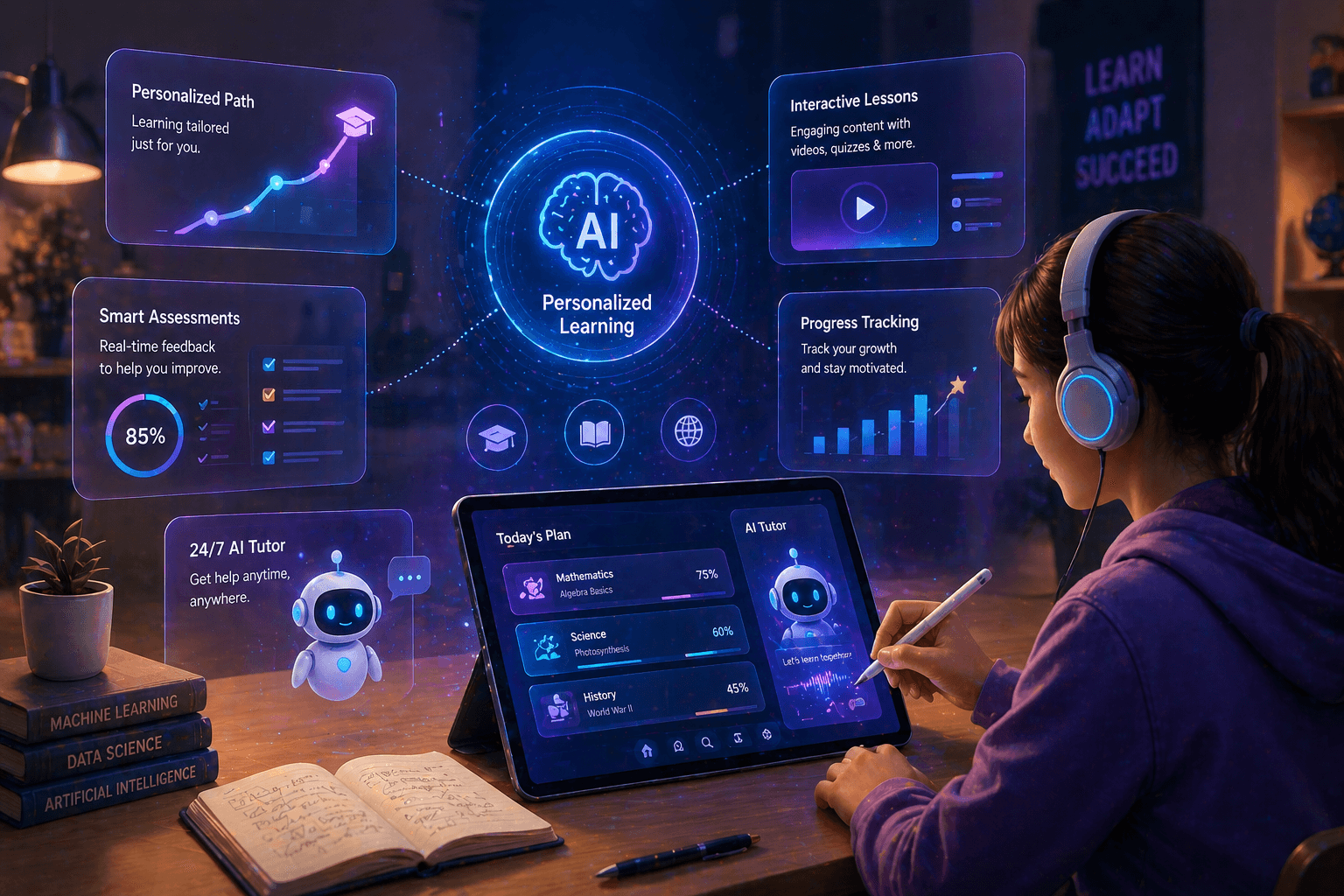
One of the most significant contributions of AI learning apps is their ability to personalize education at scale. Unlike traditional one-size-fits-all approaches, these apps leverage sophisticated adaptive learning algorithms. These algorithms continuously analyze a student's performance, pace, and preferred learning style to tailor content, difficulty levels, and instructional strategies in real-time. This ensures that each student receives material that is optimally challenging and engaging, preventing boredom for advanced learners and frustration for those who need more support. Beyond content adaptation, AI provides personalized feedback and recommendations. Students receive immediate, constructive criticism on their work, guiding them toward improvement. The system can also suggest supplementary resources or alternative explanations based on identified areas of weakness. By pinpointing specific learning gaps, AI-powered tools can offer targeted interventions and practice exercises, ensuring that foundational concepts are mastered before moving on. For instance, in mathematics, an AI app might identify a student struggling with fractions and provide extra practice problems and visual aids. In language learning, it could focus on pronunciation or grammar rules where the student consistently makes errors. This level of individualized attention was previously unattainable in most classroom settings.
Benefits of AI Learning Apps for Students and Educators
- Improved student engagement and motivation: Interactive elements, gamification, and personalized content capture students' attention and foster a greater desire to learn.
- Enhanced learning outcomes and knowledge retention: Tailored instruction and targeted practice lead to deeper understanding and longer-lasting retention of information.
- Reduced workload for educators through automated tasks: AI can automate grading, administrative duties, and even initial content generation, freeing up teachers' time for more impactful interactions with students.
- Data-driven insights into student performance and learning patterns: Comprehensive analytics provide educators with a clear view of individual and class-wide progress, enabling informed instructional decisions and early intervention strategies.
Key Features to Look for in AI Learning Apps
When evaluating or developing AI learning applications, several key features are crucial for maximizing their effectiveness. Foremost among these are robust adaptive learning capabilities, allowing the platform to dynamically adjust to each user's progress and needs. Personalized feedback mechanisms are also vital, providing students with specific, actionable insights rather than generic responses. Comprehensive data analytics and reporting tools are essential for educators to monitor student performance, identify trends, and measure the impact of the AI intervention. Seamless integration with existing learning management systems (LMS) ensures that the AI app fits within the current educational ecosystem without causing disruption. Finally, a user-friendly interface and strong accessibility features are paramount to ensure that the application is intuitive and usable by all students, regardless of their technical proficiency or any disabilities they may have.
AI Learning Apps: Use Cases and Examples
The applications of AI in education are diverse and continually expanding. AI-powered tutoring systems offer students on-demand support, acting as virtual mentors that can explain complex concepts and guide problem-solving. Automated grading and assessment tools streamline the evaluation process, providing quick feedback to students and saving educators valuable time. Intelligent content creation and curation platforms can help develop customized learning materials or recommend relevant resources based on curriculum needs. Virtual assistants can handle routine student inquiries, provide administrative support, and offer guidance on navigating educational platforms. Successful implementations are already visible in various institutions. For example, some universities use AI to predict students at risk of dropping out and offer proactive support. Language learning apps like Duolingo utilize AI to personalize lesson plans and pronunciation feedback. Math platforms employ AI to adapt problem sets based on student mastery, ensuring a solid foundation.
Challenges and Considerations When Implementing AI Learning Apps
Despite the immense potential, the implementation of AI learning apps is not without its challenges. Data privacy and security are paramount concerns; ensuring that sensitive student data is protected from breaches and misuse is critical. Ethical considerations, such as algorithmic bias and the potential for over-reliance on technology, must be carefully addressed to ensure fair and equitable learning experiences. The need for teacher training and professional development is significant; educators must be equipped with the skills and understanding to effectively integrate AI tools into their pedagogy. Ensuring equitable access to AI-powered learning resources is another challenge, as disparities in technology access could widen existing educational divides. Finally, integration challenges with existing IT infrastructure and legacy systems can pose technical hurdles for institutions looking to adopt new AI solutions.
The Future of AI in Education: Trends and Predictions
The trajectory of AI in education points towards even more sophisticated and integrated applications. We can expect an increasing role for AI in crafting highly personalized learning pathways, moving beyond simple content adaptation to encompass individual career goals and learning preferences. AI-driven curriculum development and content creation will become more prevalent, assisting educators in designing dynamic and relevant learning materials. The potential for AI to address learning disabilities and special needs is immense, offering tailored support and assistive technologies. The emergence of new AI-powered educational tools and platforms will continue to push the boundaries of what's possible. Ultimately, AI is poised to significantly reshape the future of teaching and learning, augmenting human capabilities and creating more effective, equitable, and engaging educational experiences.
FAQ
- What are the main benefits of AI learning apps?
- AI learning apps offer personalized learning, improved student engagement, enhanced learning outcomes, and increased efficiency for educators through automation and data insights.
- Are AI learning apps suitable for all age groups?
- Yes, AI learning apps can be adapted for various age groups, from early childhood education to higher education and professional development, with content and interfaces tailored to specific developmental stages.
- What are the biggest challenges in implementing AI learning apps?
- Key challenges include ensuring data privacy and security, addressing ethical concerns like bias, providing adequate teacher training, and guaranteeing equitable access for all students.
Conclusion: Embracing the Potential of AI Learning Apps
AI learning apps represent a powerful paradigm shift in education, offering unprecedented opportunities for personalization, efficiency, and accessibility. By harnessing the capabilities of artificial intelligence, we can create more effective and engaging learning environments that cater to the unique needs of every student. As educational institutions and EdTech startups look to the future, embracing these AI solutions is not just an option but a necessity for staying competitive and delivering the best possible educational outcomes. However, it is crucial to approach the implementation of AI with a strong commitment to responsible and ethical practices, ensuring that these technologies serve to enhance, not hinder, the human element of education.
CTA: Unlock the Power of AI for Your Educational Institution
Learn how BigOsoft can help you implement AI-powered solutions to enhance your educational programs. Our expert team specializes in developing custom AI applications tailored to your specific needs, from adaptive learning platforms to intelligent tutoring systems. Contact us today for a free consultation and explore our comprehensive AI development services to revolutionize your educational offerings.