
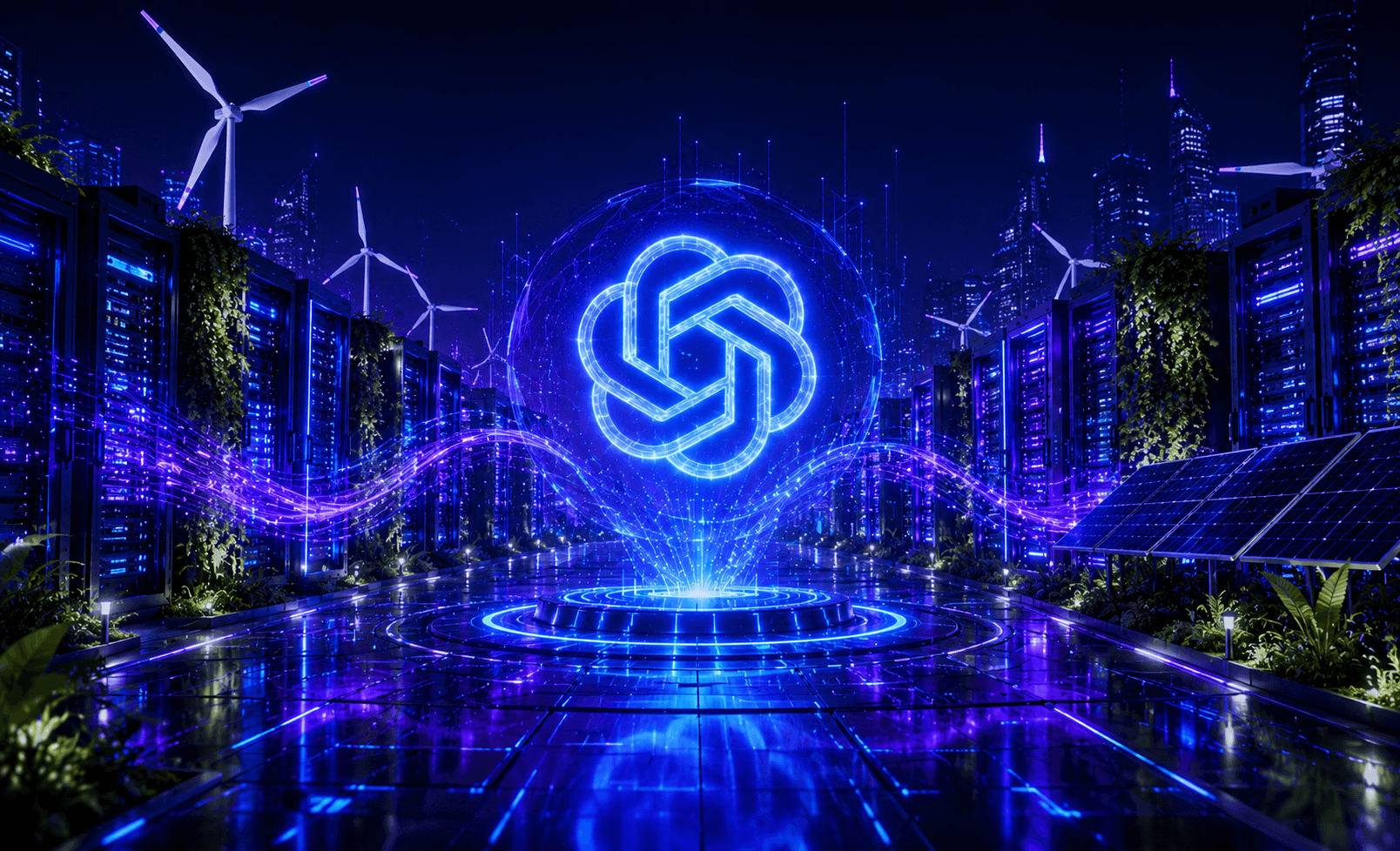

The rapid advancement of Artificial Intelligence (AI) is ushering in a new era of technological innovation. From sophisticated machine learning algorithms to complex deep learning models, AI is transforming industries and reshaping our daily lives. This revolution, however, places an unprecedented demand on computational resources, directly fueling the exponential growth of data centers. These facilities are the backbone of AI, providing the immense processing power required for both training AI models and running inference tasks in real-time. Consequently, the market for AI-specific data centers is experiencing a significant surge, with projections indicating substantial growth in the coming years as AI applications become even more pervasive.
The AI Revolution: Fueling Demand for Data Centers
- Exponential growth of AI applications (e.g., machine learning, deep learning)
- Increased computational power required for AI training and inference
- Resulting surge in demand for high-performance data centers
- Market size and growth projections for AI data centers
Quick Answer: AI data centers are essential for the immense computational power AI requires, leading to a surge in demand. Powering these centers sustainably is crucial to mitigate their significant energy consumption and environmental footprint, ensuring AI's future growth is responsible and eco-friendly.
The Energy Footprint of AI: A Growing Concern
While the benefits of AI are undeniable, its rapid expansion comes with a substantial energy footprint. AI data centers are notoriously power-hungry, consuming vast amounts of electricity to operate the sophisticated hardware needed for complex computations. Traditional data centers, even without the AI focus, are already significant contributors to global carbon emissions. The environmental impact of AI extends beyond electricity consumption to include considerable water usage for cooling and the generation of electronic waste from rapidly evolving hardware. As AI infrastructure scales, the rising energy costs associated with powering these operations become a critical concern for both economic and environmental sustainability.
- AI data centers consume significant amounts of electricity
- Traditional data centers are major contributors to carbon emissions
- Environmental impact of AI: carbon footprint, water usage, e-waste
- Rising energy costs associated with powering AI infrastructure
Sustainable Energy Solutions for AI Data Centers: A Necessity
Given the escalating energy demands and environmental concerns, adopting sustainable practices in AI data centers is no longer an option but a necessity. The transition to renewable energy sources like solar, wind, and hydro power offers a viable path to significantly reduce the carbon footprint of AI operations. Beyond sourcing clean energy, implementing energy efficiency measures is equally vital. This includes utilizing advanced cooling systems that minimize energy waste and deploying optimized hardware designed for maximum performance with minimal power consumption. By focusing on both renewable energy integration and operational efficiency, organizations can drastically reduce the environmental impact of their AI infrastructure.
- The imperative for sustainable practices in AI
- Benefits of using renewable energy sources (solar, wind, hydro)
- Energy efficiency measures: advanced cooling systems, optimized hardware
- Reducing the carbon footprint of AI operations
Renewable Energy Integration: Powering AI Responsibly
Integrating renewable energy into AI data center operations can be achieved through various models. On-site renewable energy generation, such as rooftop solar panels or dedicated wind turbines, provides direct control over energy supply. Alternatively, off-site power purchase agreements (PPAs) allow data centers to contract with renewable energy developers, securing clean energy at predictable prices. To effectively manage the intermittent nature of renewables, grid modernization and the development of smart grids are essential. These technologies enable better integration and management of renewable energy sources. Furthermore, robust energy storage solutions, like battery systems, are crucial for ensuring a reliable and consistent power supply, even when renewable generation fluctuates. Several leading technology companies have already demonstrated the feasibility and benefits of powering their AI data centers with renewable energy, setting a precedent for the industry.
- On-site renewable energy generation vs. off-site power purchase agreements (PPAs)
- Grid modernization and smart grids for renewable energy integration
- Energy storage solutions for reliable power supply
- Examples of successful renewable energy-powered AI data centers
Optimizing Data Center Design for Sustainability
The physical design and location of AI data centers play a significant role in their sustainability. Strategic location considerations, such as choosing sites with favorable climates for natural cooling or proximity to abundant renewable energy sources, can dramatically reduce operational impact. Innovative cooling technologies are paramount; liquid cooling systems offer far greater efficiency than traditional air cooling, while free cooling techniques leverage ambient temperatures to reduce energy expenditure. Server virtualization and resource optimization software allow for more efficient use of hardware, reducing the overall number of servers needed and thus lowering power consumption and cooling requirements. Additionally, implementing waste heat recovery systems, where the heat generated by IT equipment is captured and reused for other purposes, further enhances efficiency and minimizes environmental impact.
- Location considerations: climate, access to renewable energy
- Innovative cooling technologies: liquid cooling, free cooling
- Server virtualization and resource optimization
- Waste heat recovery and reuse
The Role of Policy and Regulation in Promoting Sustainable AI
Government policies and regulations are instrumental in driving the adoption of sustainable practices within the AI data center sector. Incentives such as tax credits for renewable energy installations and mandates for energy efficiency can accelerate the transition away from fossil fuels. Carbon pricing mechanisms and emissions trading schemes create financial incentives for organizations to reduce their carbon footprint. Furthermore, the establishment of industry standards and certifications for sustainable data centers provides a benchmark for performance and transparency. For investors, ESG (Environmental, Social, and Governance) considerations are increasingly important, influencing investment decisions and encouraging companies to prioritize sustainability in their operations and infrastructure development.
- Government incentives and regulations for renewable energy adoption
- Carbon pricing and emissions trading schemes
- Industry standards and certifications for sustainable data centers
- ESG (Environmental, Social, and Governance) considerations for investors
Investing in Sustainable AI: A Smart Business Decision
Embracing sustainable energy solutions for AI data centers is not just an environmental imperative but also a sound business strategy. Organizations that prioritize sustainability are better positioned to attract environmentally conscious investors and build stronger brand loyalty among customers who value corporate responsibility. The implementation of energy-efficient technologies and renewable energy sources leads to significant reductions in operational costs through lower energy bills and more predictable energy expenses. Moreover, investing in sustainability helps mitigate long-term risks associated with climate change, resource scarcity, and evolving environmental regulations, ensuring the resilience and future viability of AI operations.
- Attracting environmentally conscious investors
- Improving brand reputation and customer loyalty
- Reducing operational costs through energy efficiency
- Mitigating risks associated with climate change and resource scarcity
BigOsoft: Your Partner in Sustainable AI Solutions
At BigOsoft, we understand the critical intersection of AI innovation and environmental responsibility. Our expertise lies in helping organizations navigate the complexities of building and operating high-performance AI data centers powered by sustainable energy. We offer tailored solutions that encompass renewable energy integration, advanced cooling technologies, server optimization, and energy efficiency strategies. BigOsoft partners with you to achieve your sustainability goals, reduce operational costs, and enhance your brand's environmental credentials. We have a proven track record of delivering successful AI data center projects that prioritize both performance and planetary health. Let us help you harness the power of AI responsibly.
- BigOsoft's expertise in renewable energy and data center optimization
- How BigOsoft helps organizations achieve their sustainability goals
- Case studies of successful AI data center projects
- Future trends in sustainable AI and data centers
Call to Action
Ready to power your AI initiatives with sustainable energy? Learn more about BigOsoft's comprehensive services for AI data centers and optimization. Contact us today for a personalized consultation and discover how we can help you achieve your sustainability targets. Download our latest whitepaper on the future of sustainable AI data centers.